
The aurora in late winter: March and early April
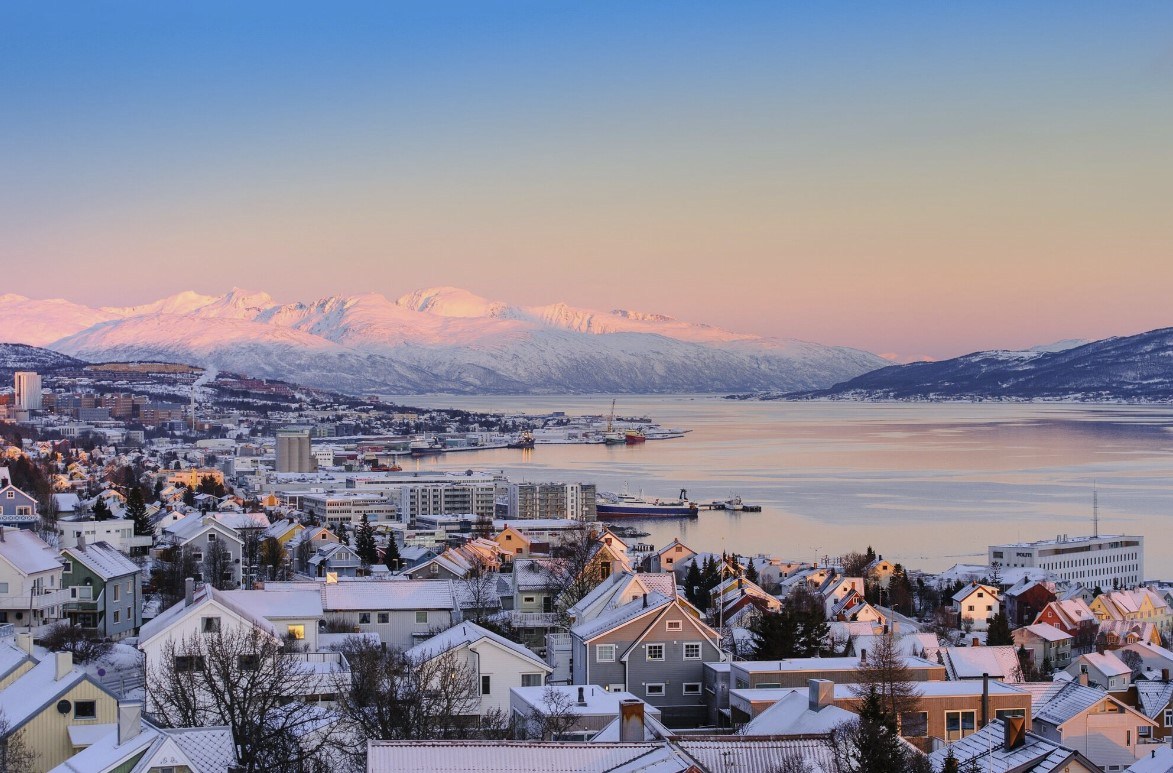
The northern lights season in Tromsø runs from September to early April, so April is the very end of the window and March sits comfortably inside it. If your trip falls in late winter, a guided chase is still a sensible way to look for the aurora, as long as you check the live calendar for the dates we are running.
This guide is for travellers asking about northern lights in Tromsø in April, or about March and the shoulder of the season. It explains what the season window means, what changes as the days lengthen, and how to plan so that a late trip does not leave you short of nights. As with every month, the aurora cannot be guaranteed.
Quick facts: Northern Lights Tour
- Ages: Ages 7+ Recommended
- Duration: 5-8 Hours
- Seasonality: Winter
- Pickup location: Outside Clarion Hotel The Edge (look for a black Mercedes)
- Time: Pick up at 19:00 (18:30 from 25 October)
- Group size: 2-8 guests (larger groups on request)
- Included: Local expert guide; Transportion in a premium Mercedes-Benz vehicle; Winter suit; A warm meal, snacks and hot drinks
- Price: from NOK 2,300 (see live prices in the booking calendar)
Where late season sits in the calendar
Our FAQ describes the year in three blocks, and they help put late winter in context:
- September to October: autumn colours, milder temperatures and the start of the aurora season.
- November to January: snow-covered landscapes, polar night and dramatic Arctic light.
- February to April: longer days, stable winter conditions and strong aurora opportunities.
The same FAQ says there is no single best month, and that staying several nights always matters more than the calendar. Tromsø lies directly under the aurora oval, which is why the season is long. The window simply closes in early April, because the nights stop being dark enough for the lights to show in the way they do in midwinter. That is general knowledge about the Arctic spring rather than a promise about any date, so treat the end of the window as soft and check what is actually bookable.
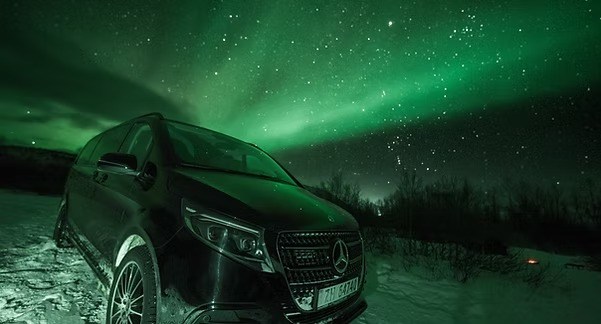
March: a strong month with a changing sky
March falls inside the FAQ’s February-to-April block, which the FAQ describes as stable winter conditions with strong aurora opportunities. Winter has not ended: this is still a snowy month, so you dress exactly as you would in January. What shifts is the light. Evenings are brighter than in midwinter, which means the sky takes longer to turn properly dark after sunset. The tour pick-up time listed on the page is the starting point, and the guides work out where and when to be in position from the forecasts for that night.
The practical consequence is that March suits travellers who want a taste of both worlds: daylight hours that you can actually use for outdoor activities, and nights that still deliver. You can pair a daytime outing, such as the snowshoe hike in Tromsø, with an aurora evening.
Early April: the end of the window
Early April is the edge of the season as our FAQ defines it. Two things follow. First, the number of departures may thin out compared with midwinter, because the tours are listed as winter experiences. We cannot tell you from here which dates are open in April of any year, so the live booking calendar is the only reliable answer. Second, the margin for error is smaller. If you book one evening for the final days of the season and the weather is poor, there may be no later night to fall back on.
For that reason, if April is your only possible month, aim for the beginning of it or for the end of March, and book more than one night. Our March guide covers the stronger side of the shoulder season in more detail.
What does not change in late winter
The method is the same in March as in December. Before each departure our guides plan a route from the latest weather forecasts and their knowledge of the area, then adjust it during the night. Since 2018 the team has used satellite cloud data, real-time weather models and microclimate knowledge built up over hundreds of nights in the field.
- Cloud over Tromsø often means clear sky one to three hours inland.
- The Lyngen Alps hold moisture back from the coast, and Skibotn, Norway’s driest region, is a destination whenever it is needed.
- Borders are not an obstacle: the guides will drive into Finland or Sweden if the clear sky is there.
- The Kp index is a poor guide. Tromsø sits under the oval, so strong displays are possible at Kp 0 or Kp 1.
You also get the same inclusions: a local expert guide, a premium Mercedes-Benz, a winter suit, and a warm meal, snacks and hot drinks. Our flagship guide to how the chase works covers the evening in full.
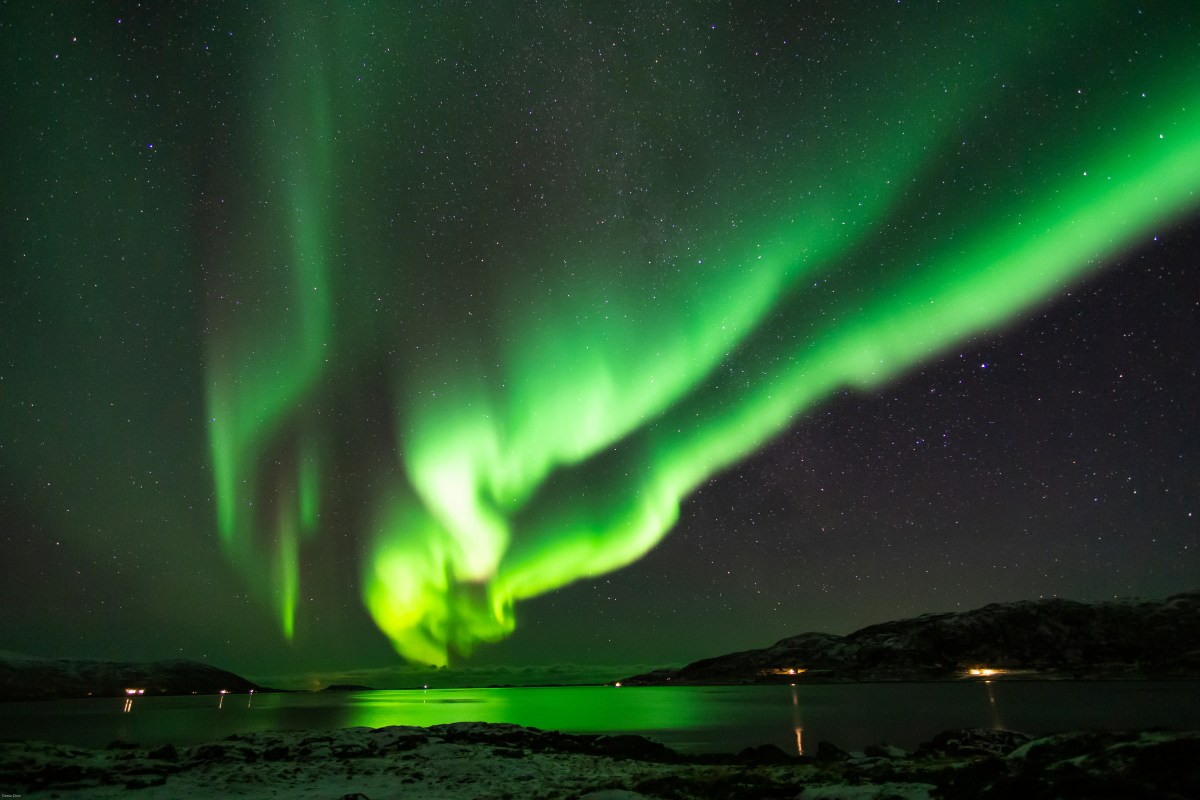
A planning checklist for a late-winter trip
- Open the live calendar first. Look at which evenings are bookable for your travel dates before you pay for flights.
- Book more than one evening. The FAQ recommends at least five nights in Tromsø. Late in the season each night counts for more.
- Keep the cancellation rule in mind. On tours we operate, you can cancel more than 48 hours before the start for a full refund, so extra evenings are low risk.
- Plan daytime activities too. Longer days mean more daylight for fjord tours and snowshoe hikes between aurora nights.
- Pack for winter. Wool layers, a hat, mittens and insulated boots. The winter suit is included on the Northern Lights Tour.
Using the longer days around your aurora nights
One real advantage of late winter is that the day is no longer a short window of blue light. That opens up the daytime side of a Tromsø trip: a guided snowshoe walk, a fjord tour along the coast, or simply time in the city before an evening departure. Our guide to snowshoeing in February and March shows how the daytime hikes fit around a night out.
A sensible rhythm is to keep your aurora evenings light on the daytime side. A northern lights tour lasts five to eight hours and finishes late, so avoid stacking an early start on the morning after a chase. Alternate: a long day out, then a quiet one, then an aurora evening. If you are travelling with a partner, this pacing is also kinder on both of you.
Late season or midwinter: which is right for you
Choose late winter if you want more usable daylight, if your holiday dates are fixed in March, or if you would like to combine a trip with day tours. Choose midwinter if your priority is the darkest sky and the polar-night atmosphere: our November guide and December guide explain that side. If you are not sure, the northern lights tours page shows every aurora experience we run, including the private and snowshoe options.
Frequently asked questions
Can you see the northern lights in Tromsø in April?
Our FAQ gives the season as September to early April, so early April is possible and later April is outside the window. Check the live calendar for which dates are bookable, and remember that no operator can promise the aurora.
Is March a good month for the northern lights?
The FAQ lists February to April as longer days with stable winter conditions and strong aurora opportunities. There is no single best month, and staying several nights matters more than the calendar.
Is it still cold in March and April?
It is still a winter tour, with snow and Arctic weather. Dress in a wool base layer, a warm mid-layer and an outer layer, with a hat, scarf, mittens and insulated boots.
What time does the tour start?
Pick-up is outside Clarion Hotel The Edge. The page lists 19:00, with 18:30 from 25 October, so confirm the time shown for your date in the calendar.
What if the weather is poor on my only night?
The guides move between regions to find clearer sky, but there are no refunds if the lights do not appear. That is why more than one night is the better plan.
Book your late-winter chase
Open the calendar, choose your evenings, and add a spare night if your dates allow. Small groups of two to eight, local guides and a full refund up to 48 hours before departure make it an easy booking to make early.