
Snowshoeing in February and March in Tromsø
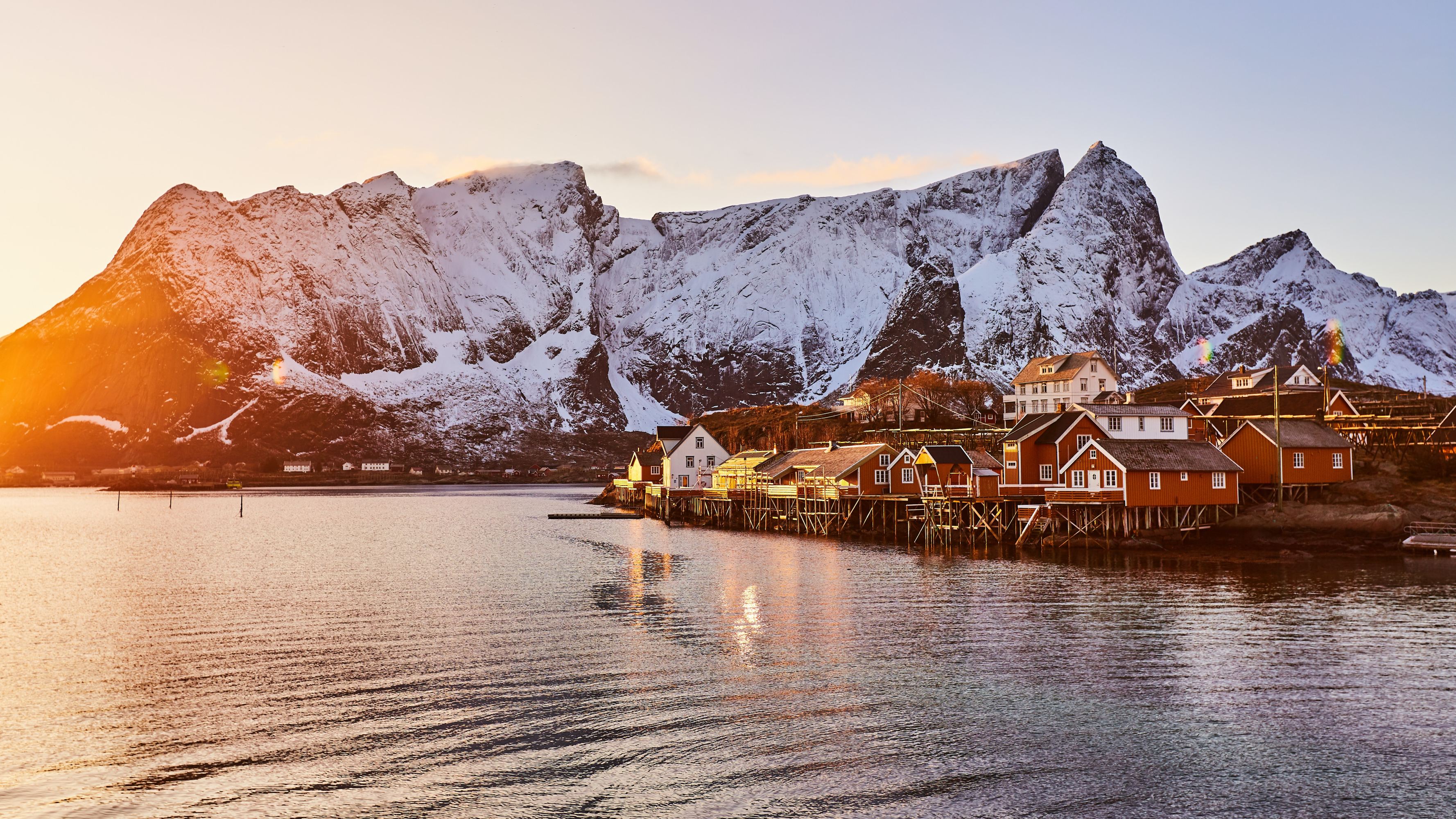
February and March are among the best months for a snowshoe hike in Tromsø, with longer days, stable winter conditions and snowy scenery. If you want real winter with more daylight, this is your window.
Our FAQ describes February to April as a season of longer days, stable winter conditions and strong aurora opportunities. For a daytime snowshoe hike, that translates into brighter light on the mountains and fjords, more reflected sunshine off the snow, and a more comfortable stretch outdoors, while the Arctic winter is still very much in place. This guide compares the two months, explains what changes for your hike, and shows you how to plan around them.
Quick facts: Arctic Snowshoe Hike
- Ages: Ages 10+ Recommended
- Duration: 4 Hours
- Seasonality: Winter
- Pickup location: Outside Clarion Hotel The Edge (look for a black Mercedes)
- Pick-up time: 10:00
- Group size: 2-8 guests (larger groups on request)
- Included: Transport in a Mercedes minivan; Local guide; Snowshoe & poles; Snacks and a hot drink
- Price: from NOK 1,500 (see live prices in the booking calendar)
Why late winter suits snowshoeing
Midwinter has its own charm, but late winter has its own advantages for a hike:
- Longer days. The light returns quickly after the polar night, which means a morning hike in clearer, brighter surroundings than in December.
- Stable winter conditions. Our FAQ lists stable winter conditions for February to April. Snow, wind and cold are still part of the experience, but it is a settled part of the winter season.
- Snow-covered scenery. The tour page promises snowy mountains, forests and fjord views in a peaceful winter landscape. Exactly how much snow lies on the ground depends on the year, so we do not promise a particular depth, but this is genuine winter hiking terrain.
- Strong aurora opportunities. The northern lights season runs from September to early April, and our FAQ lists strong aurora opportunities in this period, so you can pair a morning hike with a night tour. The lights are never guaranteed.
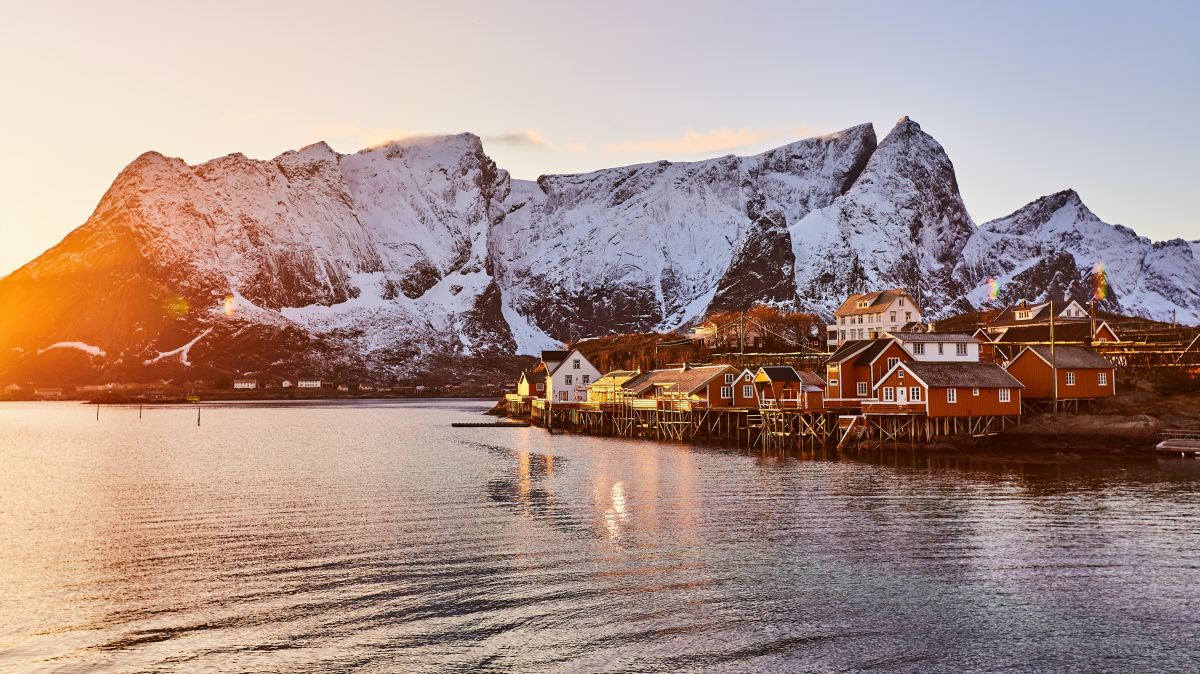
February vs March at a glance
| February | March | |
|---|---|---|
| Light | Returning daylight after the polar night | Longer, brighter days |
| Feel of the hike | Deep winter, snow-covered, crisp | Bright winter, with reflected light off the snow |
| What to add to your kit | Warm layers as always | Sunglasses become more useful |
| Aurora evenings | Strong opportunities, never guaranteed | Strong opportunities; the season runs to early April |
| Best for | Classic winter scenery | Brighter photos and comfortable hiking |
These are general seasonal patterns rather than promises for a particular day. The weather changes quickly in the Arctic, and every hike is adapted to the conditions on the day.
What changes for your hike
The hike itself is the same in both months: you meet at 10:00 at the roundabout in front of Clarion Hotel The Edge, Kaigata 6, travel about 30 minutes by Mercedes minivan to the starting point, hike for two to three hours at an easy tempo with a snack and hot drink, and return to Tromsø. In total, expect about four hours.
What changes is what you see and how it feels:
- The light. Brighter days mean more colour in the mountains and on the snow. The page lists sunglasses as an optional extra on bright winter days, when the snow can reflect a lot of light, and in February and March you are more likely to need them.
- The photographs. More daylight gives you more time to photograph the landscape; the page lists fantastic photo opportunities throughout the hike.
- Your layers. You still need thermal underwear, an insulating mid-layer, a waterproof and windproof jacket and trousers, warm winter shoes or boots, and a hat, gloves and scarf. On a bright walk you may warm up and want to take a layer off, so make sure you can carry it.
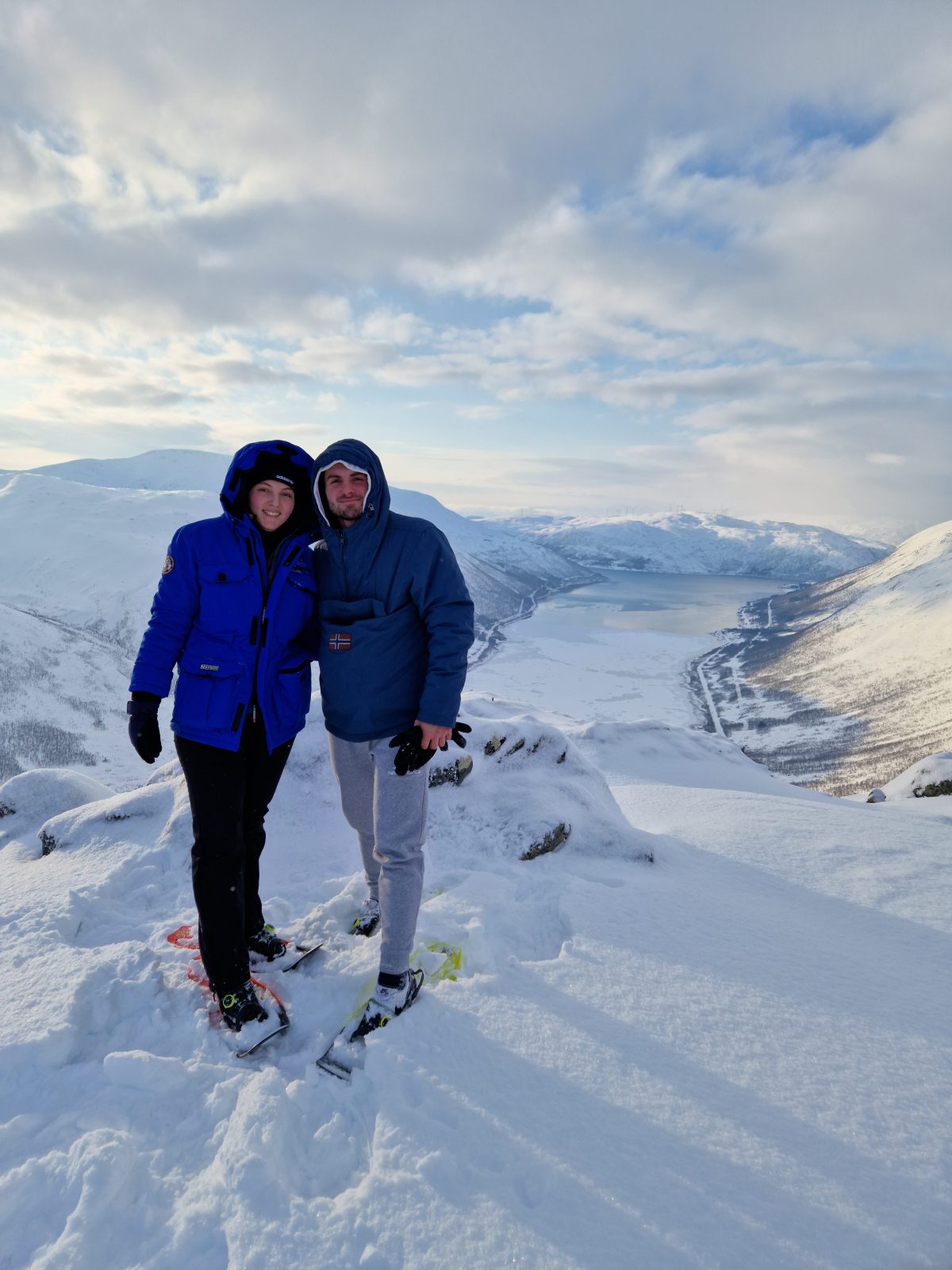
Which hike should you book in February or March?
Late winter is a good time to step up if you are fit and keen. The longer days make the longer tours feel less rushed, though conditions on the day always decide.
- First-timers: the Arctic Snowshoe Hike. Our beginner's guide explains the first hour.
- Fit hikers aged 16+: the six-hour Arctic Snowshoe Adventure, with lunch included. Read the advanced hike guide for the fitness self-check.
- Families and groups wanting privacy: the Private Snowshoe Hike for up to eight passengers. See the private hike guide.
- Not sure which? Our standard vs advanced comparison helps you choose.
A sample late-winter day
Here is how a February or March day can fit together, using the times on our tour pages. Always check the live calendar for the exact tours and times on your dates.
- 10:00: meet at the roundabout in front of Clarion Hotel The Edge for the Arctic Snowshoe Hike. Bring sunglasses as well as warm layers.
- Early afternoon: back in Tromsø after about four hours including transfers. Time for lunch in town and a proper warm-up.
- Late afternoon: rest, charge your camera and phone, and put your warm layers out for the evening.
- 18:30: the Aurora Snowshoe Hike and the Northern Lights Tour both list an 18:30 pick-up on their pages, if you want to follow a day on snowshoes with a night under the sky. The aurora is a natural phenomenon and is never guaranteed.
That is a full day, and it is not for everyone. If you prefer a gentler rhythm, keep the hike for a morning of its own and book your aurora evening on another day. Bright days can be tiring without you noticing: the snow reflects light, the air is cold and dry, and you are active for hours, so drink water and eat your snack when the guide offers it.
Planning a late-winter trip
February and March are popular times to visit, so it pays to book ahead rather than wait until you arrive. Whatever your timeline, the same rules apply: choose your date in the live calendar, pay securely online, and remember that day tours can be cancelled more than 48 hours before the start time for a full refund. Changes and cancellations must be made in writing.
A good late-winter itinerary might include a snowshoe hike, a day on the coast with the Sommarøy and Kvaløya fjord tour, which is a year-round experience, and several evenings for the northern lights. Plan at least five nights if you can, and book more than one aurora night. You can see everything we run on the winter activities page.
Weather and flexibility
We operate in most winter weather, including light snow or wind. If conditions become unsafe, we cancel and offer a full refund or a rescheduled date. Brighter days do not mean warmer ones, so do not skimp on layers. The Arctic climate can be unpredictable, and the people who enjoy these months most are the ones who are dressed for cold and ready to adapt. If you are travelling with children aged 10 or older, the same applies: they need the same layers as adults, and bright days make sunglasses a good idea for them too. Our guide to snowshoeing with children covers the age rules in detail, and the page for all our snowshoe hikes lets you compare every option side by side.
Frequently asked questions
Is March a good month for snowshoeing in Tromsø?
Our FAQ lists February to April as a season of longer days, stable winter conditions and strong aurora opportunities. The hike runs in winter, so check the live calendar for your dates.
Will there be enough snow?
The hike is a winter experience in a snow-covered landscape. We cannot promise a specific depth on a specific day, but the tour page describes snowy mountains, forests and fjord views.
Do I need sunglasses?
They are optional. On bright winter days the snow can reflect a lot of light, and brighter late-winter days are when they help most.
Can I see the northern lights in February or March?
Yes, the aurora season runs from September to early April, and our FAQ lists strong aurora opportunities in this period. They can never be guaranteed, and the daytime hike is not an aurora tour.
Is it still very cold?
Yes, it is still winter. Dress in layers as the tour page recommends.
Book your late-winter snowshoe hike
Brighter light, snow underfoot and a calm pace: choose your date now and let a local guide show you the Arctic in its late-winter form.