
What to wear for a snowmobile safari
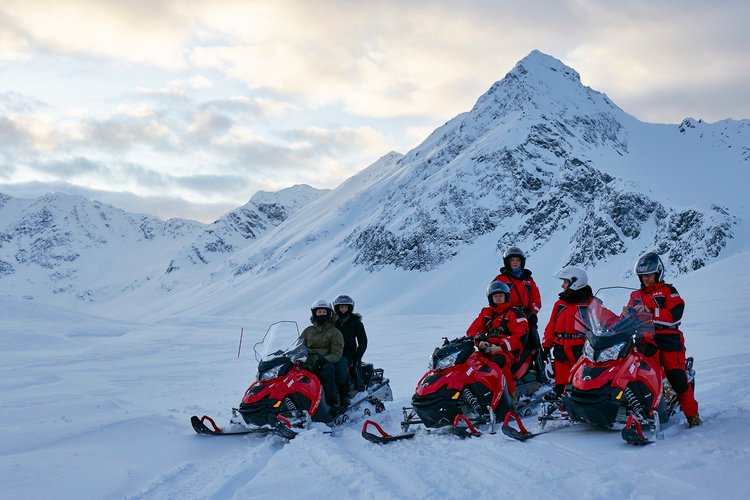
What to wear for a snowmobile safari in Tromsø: warm layers under the thermal suit we provide, plus warm gloves or mittens, a hat and a buff. The suit, boots, gloves and helmet come with the tour.
The good news for anyone packing for the Lyngen Alps is that you do not need to buy specialist outerwear. The bad news is that a thermal suit does not do all the work: what you wear underneath, and the small items you bring, decide whether you are comfortable on a seven-hour winter day. This guide is built from the tour page for our Private Snowmobile Safari and from the clothing advice in our FAQ, so it tells you what the page asks for and nothing more.
Quick facts: Private Snowmobile Safari
- Ages: Ages 7+
- Duration: 7 Hours
- Seasonality: Winter
- Included: Scenic bus & ferry transfers (approx. 70 min each way); Knowledgeable English-speaking snowmobile guides; 60–90 min snowmobile safari (2 guests per snowmobile); Thermal winter suit, boots, gloves & helmet; Hot soup & hot drinks; Full meal and hot drinks
- Price: from NOK 50,000 (see live prices in the booking calendar)
What we provide, and what you bring
| We provide | You bring |
|---|---|
| Thermal winter suit | Warm clothes to wear underneath |
| Boots | Warm gloves or mittens |
| Gloves | A hat or beanie |
| Helmet | A buff or neck gaiter |
| Hot soup, hot drinks and a full meal | A valid driving licence, category B, if you plan to drive |
This list comes straight from the tour page. Notice that gloves appear on both sides: the tour provides gloves, and the page also asks you to bring warm gloves or mittens. If you run cold, use your own as well as, or inside, the provided pair, and ask your guide what works with the controls.
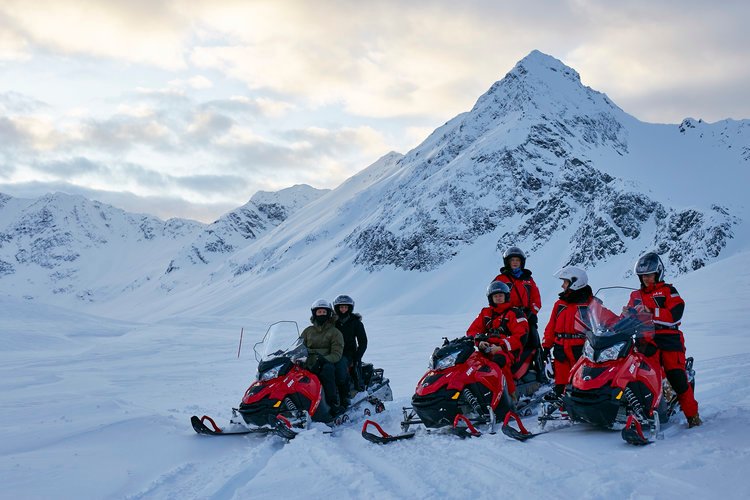
The layering plan, from skin outwards
Our FAQ gives the general layering recipe for Arctic tours: a wool base layer, a warm mid-layer of wool or fleece, a wind- and water-resistant outer layer, and a warm hat, scarf, mittens and insulated winter boots. On this tour the thermal suit is your outer layer, and the tour supplies boots. That leaves two layers to organise:
- Base layer. Wool, close to the skin, top and bottom. The FAQ is clear that wool layers are essential and that cotton does not keep you warm in Arctic conditions.
- Mid-layer. A warm layer of wool or fleece over the base. Choose something that is warm but not bulky, so that you can still move comfortably inside the suit.
A few practical points on fit. Your base layer should sit close to the skin without squeezing; your mid-layer should leave room to bend your arms and legs, because you will be sitting, steering and stepping on and off the machine in a suit that already adds bulk. If you tend to feel the cold in your legs, wear a long wool base layer rather than a thin pair. If you tend to overheat on the move, choose a mid-layer with a zip at the neck, so that you can open it at the breaks without taking anything off. None of this is a requirement on the tour page; it is how we would pack for a day that mixes sitting still in the cold with short walks.
On top of that goes the suit, then the helmet, then the gloves. Hat or beanie and buff or neck gaiter go on before you set off, as the page asks.
Head, neck and hands: the small items that matter
- Hat or beanie. The page asks you to bring one. Ask your guide how it fits under the helmet.
- Buff or neck gaiter. Listed on the page, and a sensible choice for a day when you are moving through cold air.
- Warm gloves or mittens. Listed on the page, even though gloves are provided. Mittens are often warmer than gloves; ask which suits the snowmobile controls.
- Socks. The page does not list them, but boots are provided, so take warm wool socks, and a dry pair for later.
What to leave at the hotel
The page is silent on this, so this is general sense rather than a rule:
- cotton underwear and tops, which hold moisture;
- bulky jackets that you would not fit inside a thermal suit;
- anything you cannot afford to lose in the snow.
The most common mistakes are wearing cotton, leaving the buff in the hotel and forgetting the driving licence. Bring your driving licence, a phone or camera in a warm pocket, and any medication you need. Our guide to dressing for the Arctic covers the general rules, and the posts on what to wear for a snowshoe hike and what to wear for a northern lights tour show how the advice changes with the activity.
Dress for the whole day, not just the ride
This is a seven-hour day, and the snowmobile safari itself is 60–90 minutes of it. The rest includes scenic bus and ferry transfers of approximately 70 minutes each way, a briefing, photo stops, warm breaks and a meal. The tour page does not describe the temperature inside the transfers or at the meal stop, so dress in layers that you can add or remove: a base layer you are happy to wear all day, a mid-layer that comes off easily, and your hat, buff and gloves within reach. Avoid layers so tight that they restrict movement, because compressed clothing keeps you colder than loose, dry layers.
Dressing children and teenagers
The tour is listed for ages 7 and up, and the same rules apply to younger riders: wool next to the skin, a warm mid-layer, and the supplied suit, boots, gloves and helmet. Pack a spare pair of dry socks and a hat that stays on. Guests under 18 may not drive, so a child or teenager rides as the second guest on the snowmobile, which means they sit still more than the driver does and can get colder. Check their hands and feet at each break. If you are unsure about suit sizes for children, ask us before the day.
If you get cold: what helps
The safari includes warm breaks with hot drinks and snacks, hot soup and a full meal, so there are planned chances to warm up. Between those, small adjustments help: tell your guide early if your hands or feet feel cold, swap places with the other guest on the snowmobile (the page says drivers can swap), and use the breaks to move around. The tour length may be adjusted if conditions change, so staying comfortable is part of staying safe.
Packing list in one place
- wool base layer (top and bottom);
- warm mid-layer of wool or fleece;
- warm gloves or mittens;
- hat or beanie;
- buff or neck gaiter;
- warm wool socks;
- valid driving licence, category B, if you are driving;
- phone or camera, kept warm.
The thermal suit, boots, gloves and helmet are provided. For the full picture of the day, including the bus and ferry transfers, read our post on the private snowmobile safari from Tromsø.
Frequently asked questions
Is a snowmobile suit provided?
Yes. The tour includes a thermal winter suit, boots, gloves and a helmet.
Do I need to bring gloves?
The page asks you to bring warm gloves or mittens, even though gloves are provided.
What should I wear under the suit?
Warm layers: a wool base layer and a mid-layer of wool or fleece. Avoid cotton, according to our FAQ.
Do I need a driving licence?
Only if you want to drive. Bring a valid licence, category B. Guests under 18 or without a valid licence may not drive.
Can children join?
The tour is listed for ages 7 and up. Guests under 18 may not drive.
Will I be cold?
The suit, the right layers underneath and the extras the page lists are your defence against the cold. Warm breaks with hot drinks and a full meal are part of the tour.
Book your snowmobile safari
You now know what to pack, so all that is left is the date. The tour is private, with guides, gear and a meal included.