
The northern lights season in Tromsø, month by month
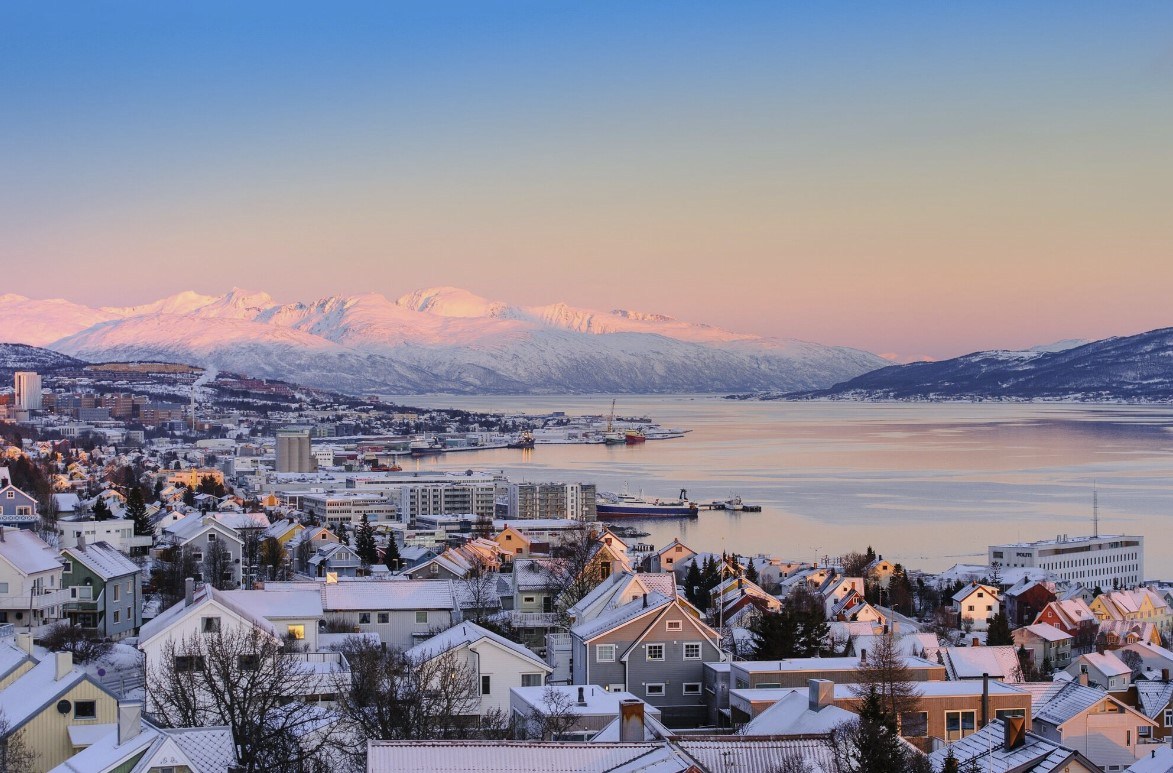
The northern lights season in Tromsø runs from September to early April, with autumn, polar night and late winter each offering a different kind of trip.
Tromsø sits directly under the aurora oval, which is why it is one of the most reliable places in the world to see the lights during those months. But “when should I go?” has more than one right answer. The month changes the light, the landscape and the temperature. It matters less than how many nights you give the sky.
This guide compares the three parts of the season using our own FAQ, then turns the comparison into a booking plan for the Northern Lights Tour.
Quick facts: Northern Lights Tour
- Ages: Ages 7+ Recommended
- Duration: 5-8 Hours
- Seasonality: Winter
- Pickup location: Outside Clarion Hotel The Edge (look for a black Mercedes)
- Time: Pick up at 19:00 (18:30 from 25 October)
- Group size: 2-8 guests (larger groups on request)
- Included: Local expert guide; Transportion in a premium Mercedes-Benz vehicle; Winter suit; A warm meal, snacks and hot drinks
- Price: from NOK 2,300 (see live prices in the booking calendar)
The season at a glance
| Months | What it is like | Good for |
|---|---|---|
| September to October | Autumn colours, milder temperatures and the start of the aurora season | Travellers who prefer a gentler first taste of the Arctic |
| November to January | Snow-covered landscapes, polar night and dramatic Arctic light | Christmas and New Year trips, classic winter scenery |
| February to April | Longer days, stable winter conditions and strong aurora opportunities | Combining aurora nights with more daylight activities |
There is no single best month. What matters most is staying several nights, because a longer stay always increases your chances of experiencing clear skies and strong aurora activity.
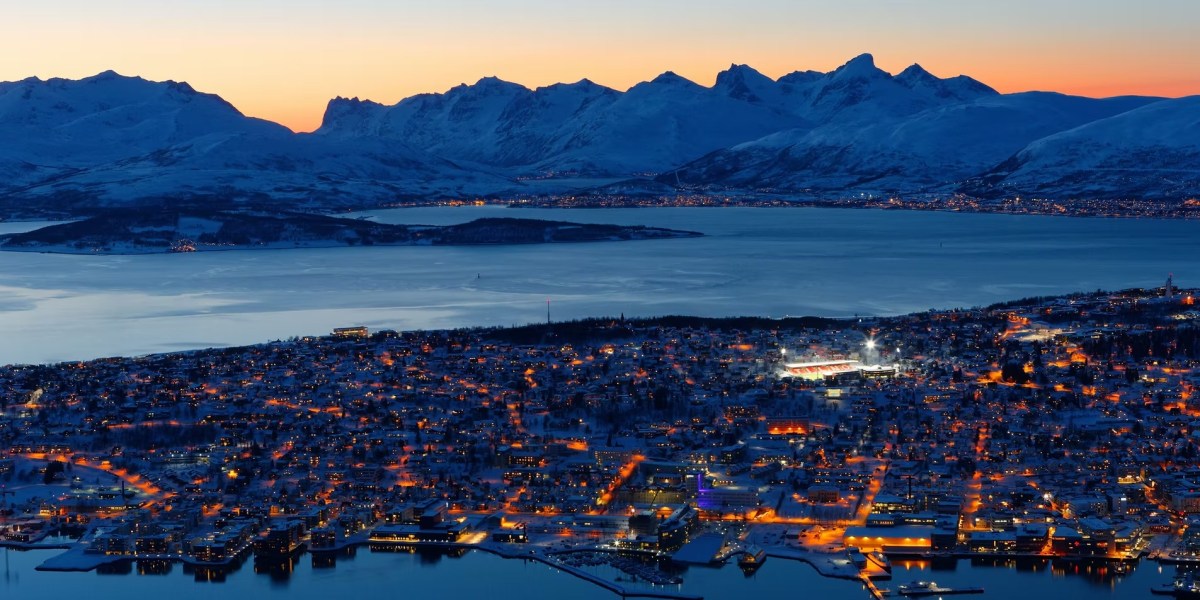
Month by month: what changes and what does not
September and October: the start of the season
Early in the season you get autumn colours and milder temperatures, and the lights begin to appear in the dark evenings. This is a good time if you like the idea of the aurora without deep winter conditions. Our aurora tours are winter-season tours, so check the live calendar for the dates that are open in your travel window before you plan around them. Our overview of the northern lights in September and October goes deeper.
November to January: polar night and snow
This is the heart of the winter season. Snow covers the landscape, and the polar night brings dramatic Arctic light. In polar night the sun stays below the horizon for part of the winter, which gives long dark evenings, and the landscape stays under snow. December is the busiest month and books early, so lock in your aurora nights as soon as flights are fixed. Month-by-month detail is in our pieces on November, December and January.
February to early April: longer days, strong chances
As the days lengthen, you get stable winter conditions and strong aurora opportunities. It is the best part of the season for travellers who want daylight activities and an aurora night in the same trip: a snowshoe hike or a fjord tour by day, and the chase by night. See the notes for February and March.
Why Tromsø works across the whole season
Two geographical facts do most of the work:
- Tromsø is under the aurora oval. The Kp index mainly shows how far south the oval stretches, not how strong the lights are in Tromsø, so you can see strong displays even at Kp 0 or Kp 1.
- The weather is local. Clouds in the city often mean clear skies one to three hours inland, and the Lyngen Alps create a weather wall that blocks moisture from the coast. Places such as Skibotn, Norway’s driest region, often have the best conditions, and our guides go there whenever needed.
- Not all clouds block the aurora. High, thin clouds often let the lights shine through. It is low cloud that the guides work to avoid.
Those facts hold from September to April, which is why the month is a smaller decision than the number of nights. A long weekend simply gives the sky fewer chances than a full week, whichever month it falls in, so if your trip is short, book an aurora chase on every evening you can and cancel the extras in time. Read our explanation of the Kp index if an app is making you hesitate.
Turning the calendar into a booking plan
- Choose your window. Pick the part of the season that suits the rest of the trip, whether that is Christmas, a half-term break or a spring holiday.
- Stay at least five nights. We recommend five or more, since the longer the stay, the better your chances.
- Book several aurora nights early. Tours operated by Legendary Adventure can be cancelled free of charge more than 48 hours before departure, so you can release the extras if you have already seen the lights.
- Add a daytime activity. A snowshoe hike or a fjord tour fits around late nights; see our list of winter activities.
- Allow for lead time. Long-haul guests tend to book one to three months ahead, and Europeans one to three weeks ahead. December and other holiday weeks fill first.
Pairing the season with a daytime activity. Aurora nights are late, so keep the days gentle. The Arctic Snowshoe Hike is a four-hour daytime hike with pick-up at 10:00 outside Clarion Hotel The Edge, with snowshoes and poles provided and ages ten and over recommended. It is described as beginner-friendly, and it pairs well with an evening chase in any part of the season. If you prefer scenery from a vehicle, see our sightseeing tours.
Dressing for the month. Autumn is milder, midwinter is colder, and the weather changes quickly in every month. The advice is the same throughout: wool layers (avoid cotton), a warm mid-layer, a wind- and water-resistant outer layer, a warm hat, scarf, mittens and insulated winter boots. On the Northern Lights Tour the winter suit goes over the top and is included.
What the tour is like in any month
The Northern Lights Tour is a guided chase in a small group of two to eight guests, in a premium Mercedes-Benz. The pick-up time is 19:00 (18:30 from 25 October), outside Clarion Hotel The Edge, where you should look for a black Mercedes. The route is planned from the latest weather forecasts and the guides’ knowledge of the area, and may be inland, along the coast or even across the border into Finland or Sweden. A winter suit is included, plus a warm meal, snacks and hot drinks, and the whole tour lasts five to eight hours.
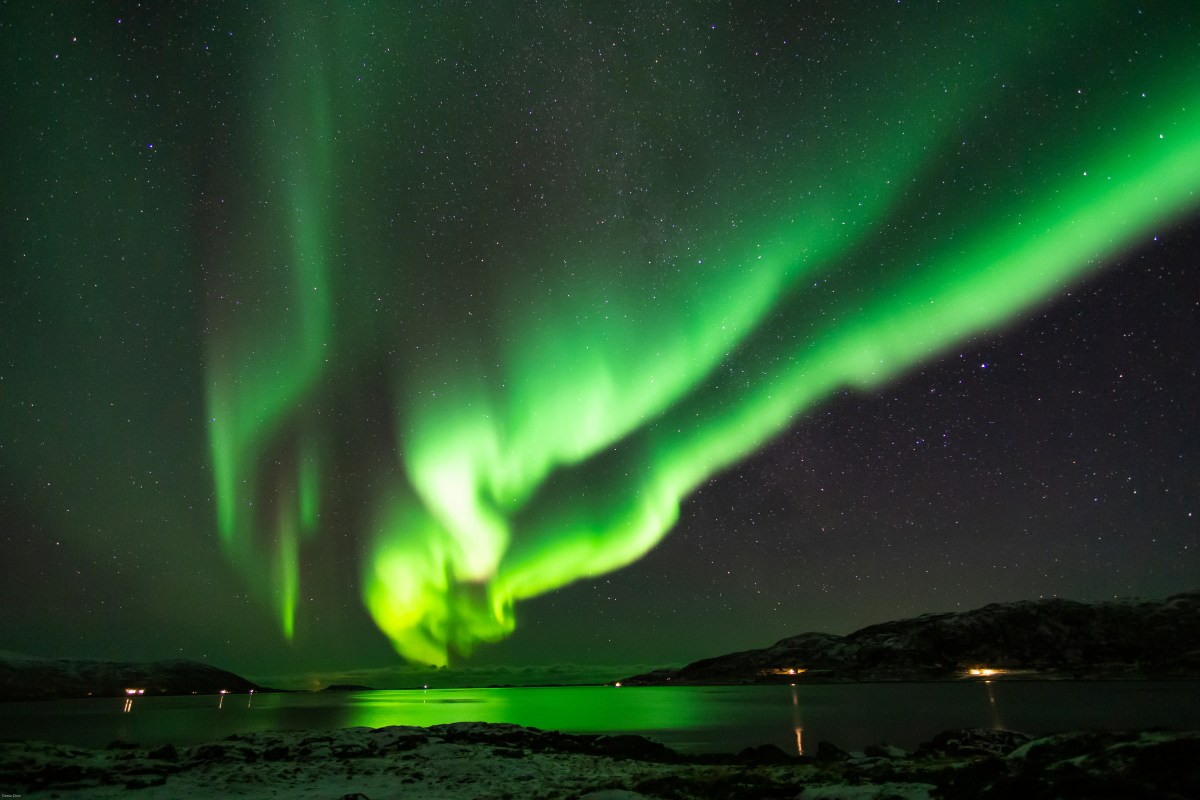
The northern lights can never be guaranteed in any month. If we believe there is no chance of seeing them, we cancel the tour and give a full refund or rebook you for the next available day that suits you. Read more about how the chase works.
Frequently asked questions
When does the northern lights season start in Tromsø?
The season runs from September to early April. Check the live booking calendar for the tour dates that are open for your travel window.
What is the best month to see the northern lights?
There is no single best month. Staying several nights always increases your chances more than choosing a particular month.
Is the polar night a problem for the northern lights?
No. November to January brings snow-covered landscapes and polar night, with dramatic Arctic light and long dark evenings.
How many nights should I plan?
At least five nights, and ideally more. Many guests pre-book several tours and cancel the ones they no longer need.
Can I rely on a Kp forecast to pick a night?
No. Tromsø lies directly under the aurora oval, so strong displays are possible even at low Kp values. If a tour is running, our guides have identified areas with good chances.
Book your place in the season
Whatever month you choose, the plan is the same: several nights, an early first chase and a spare evening. Check the live calendar for your dates.